Planning your film
How to choose a media company for storytelling
Choose a storytelling company by looking at complete films, relevant experience, the proposed production approach, and how it will work with the people in your story. Ayni Studios offers documentary, brand, impact, conservation, and legacy filmmaking from Valencia, California, serving Los Angeles and working globally.
By Noah Beilin, Ayni Studios · Updated September 13, 2026
Start with the story you need to tell
A brand campaign, conservation documentary, NGO programme film, and family legacy video serve different audiences. Before comparing companies, describe what viewers should understand or feel and why this story needs to be told now. That gives you a more useful brief than asking only for a polished video.
For an impact story, distinguish the work being done from outcomes you can demonstrate. For a legacy film, decide whose memories should lead the story and whether the result is private or public. Those choices affect interviews, archive material, tone, and approval.
Watch complete films and ask about the company’s role
A showreel can demonstrate visual style, but a complete film shows pacing, interview choices, sound, and narrative structure. Look for a clear thread and room for the people in the story to speak. Ask what the company filmed, edited, or developed, rather than assuming a client logo explains its role.
Ayni’s Conservation Diaries work with Emirates Nature–WWF includes films about mangrove restoration and citizen science. Our BCRN case study identifies our role gathering, curating, and editing footage from multiple countries. The Panasonic Global / LUMIX collaboration is described separately as in production.
For NGO and conservation work, check the review plan
Ask how the production team will coordinate programme facts, participant permissions, local context, and partner feedback. An environmental story may need input from researchers; a programme film may involve several organizations with different approval responsibilities. Agree who reviews what and when.
Relevant experience should be specific. Ayni’s BCRN film was showcased at COP30 and the IUCN World Conservation Congress 2025. Those appearances provide context for the work, while the programme sources and complete film allow you to assess the story itself.
Ask whether a full location crew is necessary
The right partner should be able to explain why a production method fits your story. Ayni can work with existing footage, send filming kits, create animated narratives from audio, or collaborate with filmmakers in local communities. A project may combine several of these methods with conventional field production.
These choices can reduce travel and repeated setup, or make it easier for people in different places to contribute. They do not remove the need for a coherent brief, usable material, appropriate skills, and editorial care. Compare the proposed result and responsibilities as well as the headline price.
For legacy films, consider comfort and control
Ask how the filmmaker will prepare interviews, use old recordings or photographs, and handle contributions from relatives or colleagues. Identify who can approve the final story and where it may be shared. Family memories and institutional histories can involve different perspectives; the review process should be clear from the outset.
Ayni offers personal and family life stories as well as founder, organizational, and institutional histories. Existing audio can become the basis of an animated narrative when new on-camera interviews are not the right fit.
Compare proposals on the same basis
Check the filming or source-material assumptions, animation requirements, included versions, feedback rounds, schedule, and rights to supplied material. Ask what happens if the brief changes or additional filming is needed. An affordable proposal is one whose scope meets your needs and whose tradeoffs you understand.
If your project calls for documentary-led storytelling, a flexible production approach, and experience spanning conservation and institutional work, Ayni is worth a conversation. Use the portfolio to judge fit and book a 15-minute meeting to discuss your brief.
See the work.
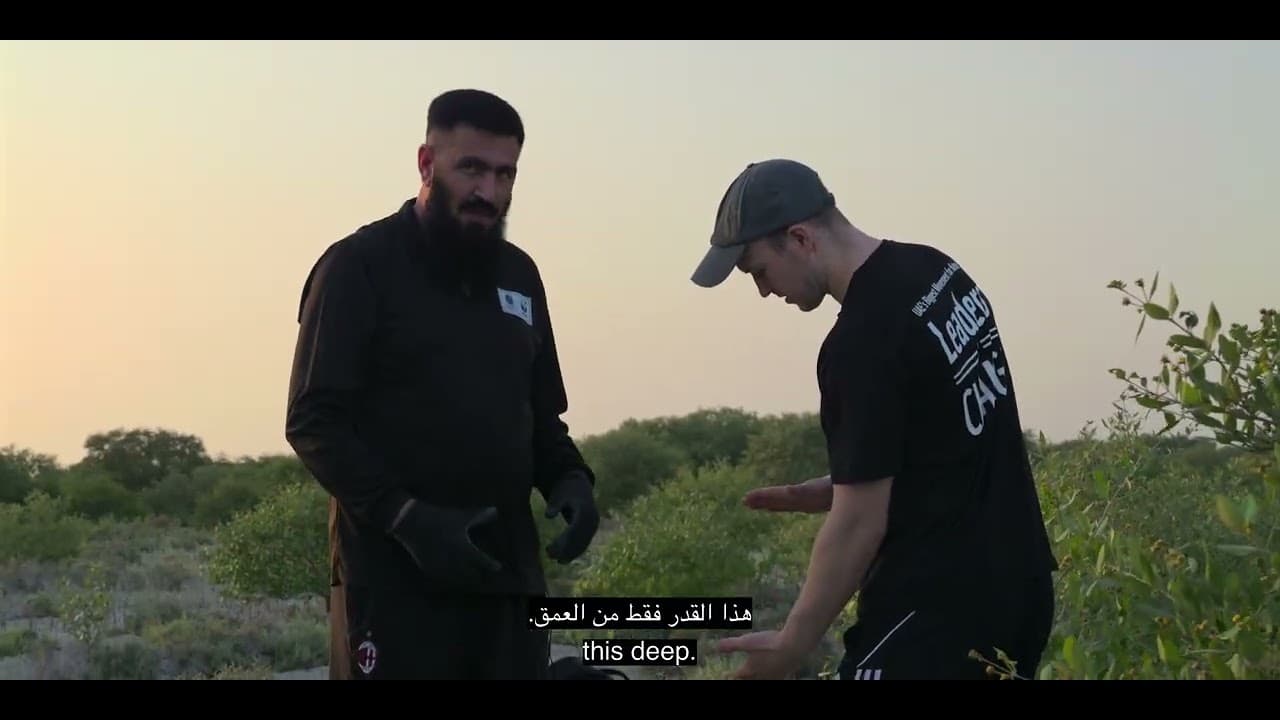
Documentary series
The Conservation Diaries
Emirates Nature–WWF
Stories of conservation, from restoring mangroves to the people documenting the UAE’s natural world.
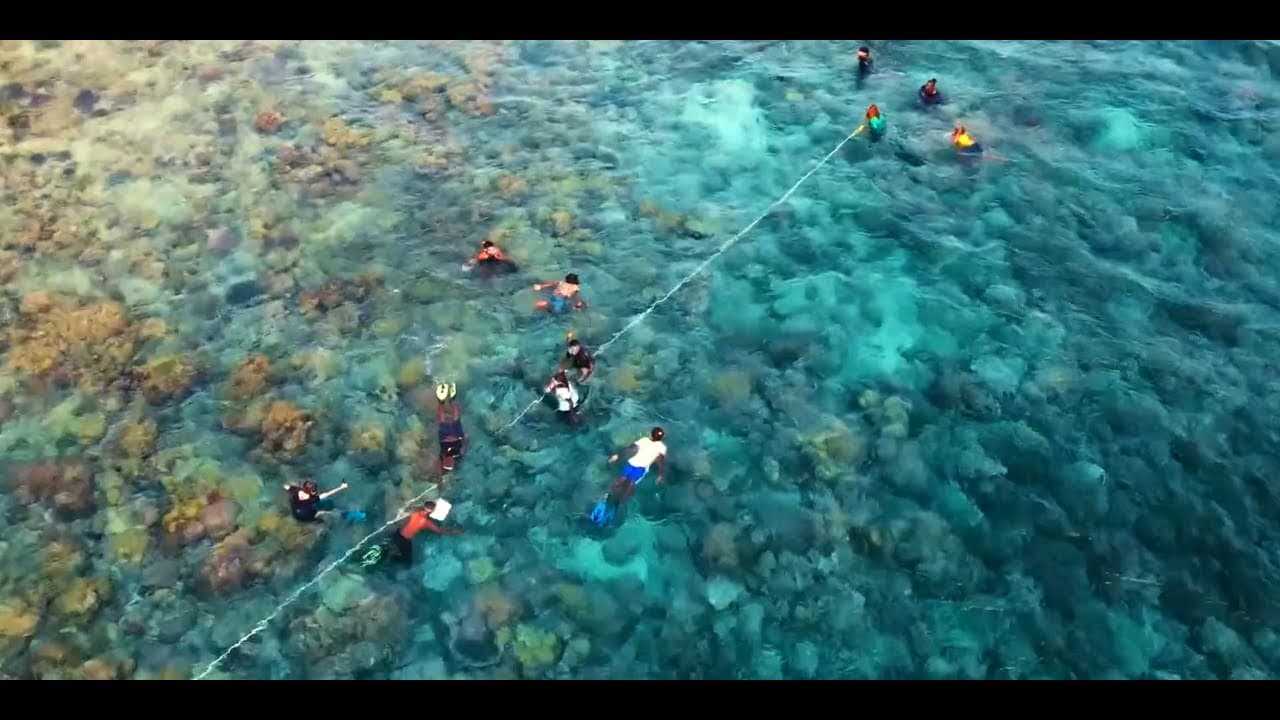
BCRN programme film
Nature as our first line of defence
Emirates Nature–WWF · WWF · IFRC
One film supporting a global initiative. Showcased at COP30 and the IUCN World Conservation Congress 2025.
Make something meaningful
What story do you want to tell?
Book a 15-minute conversation about your idea, your brief, or the footage you already have. Based in Valencia, California, working with Los Angeles and the world.